

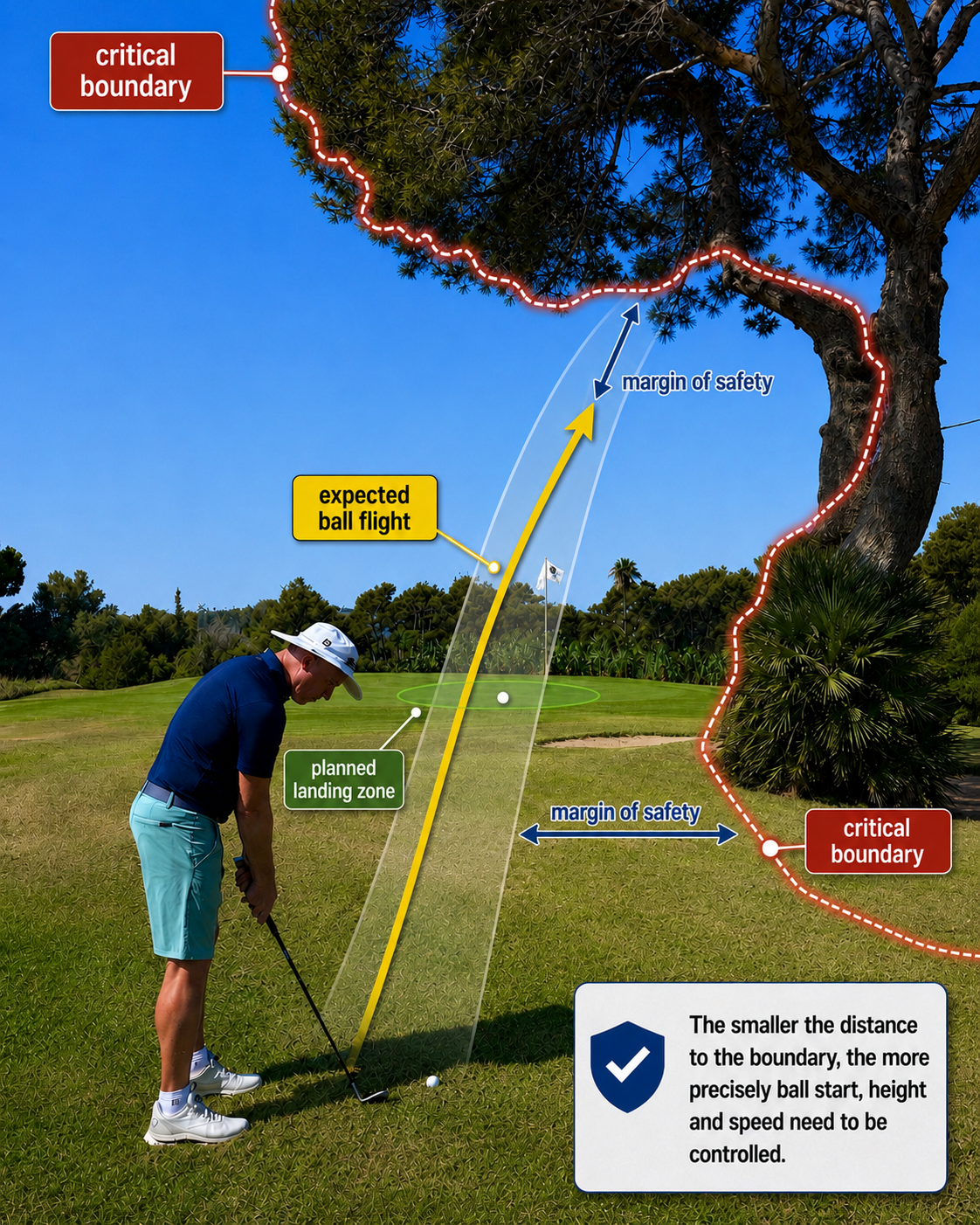
Risk in golf is not created only by water, bunkers or out of bounds. What matters just as much is how much room a situation gives to our normal shot variation.
A shot can be technically possible and still have very little margin for error. In that case, even a small deviation can turn a good opportunity into a much worse result.
The less a situation tolerates a normal miss, the more carefully we should consider whether the possible reward really justifies the risk.
Risk is more than just the likelihood of a miss
When golfers think about risk, they often begin with the question of how likely a poor shot is. But that is only one part of the decision.
Just as important is what happens if the shot finishes slightly short, long, left or right.
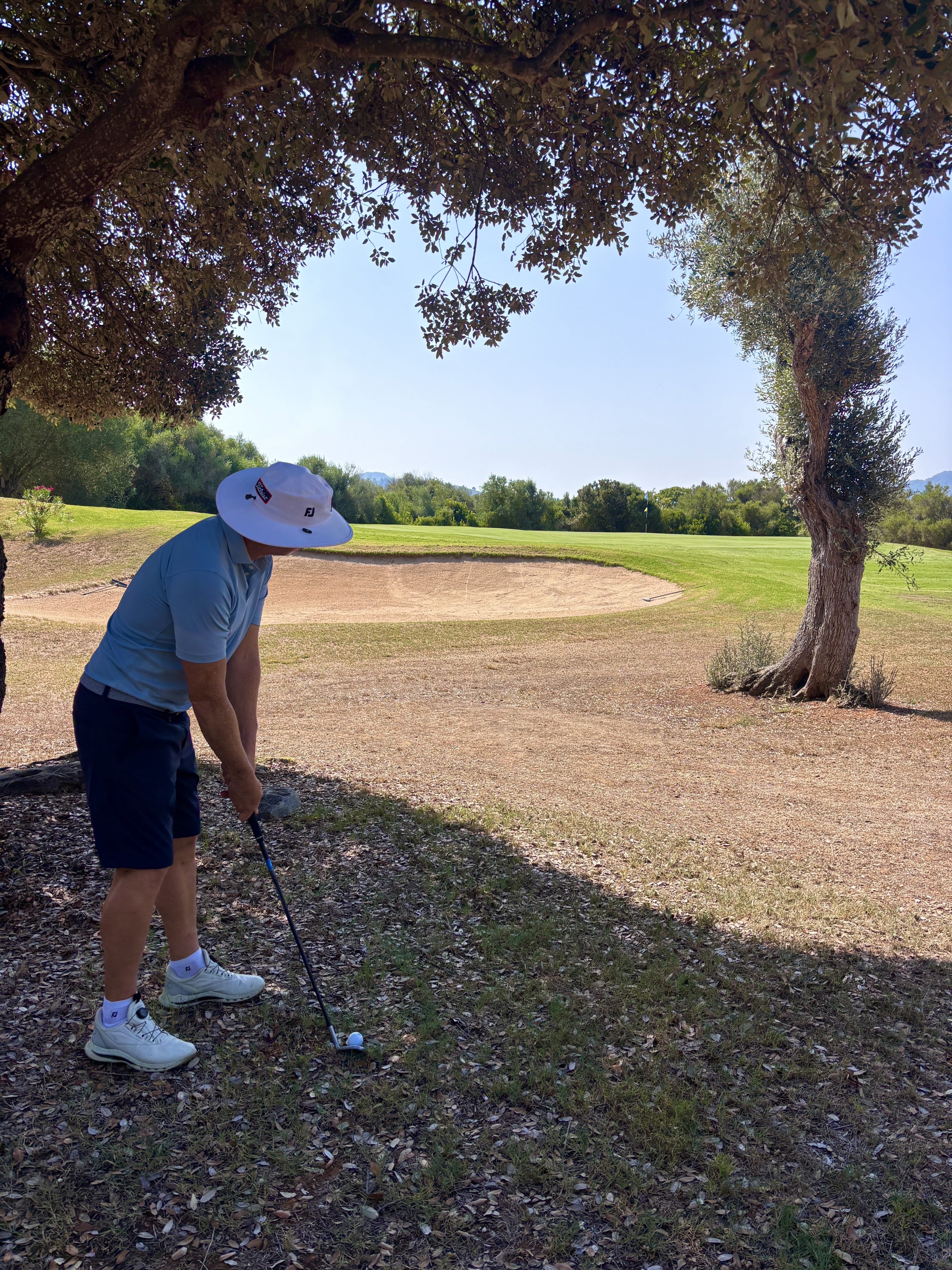
A miss of ten metres may be completely harmless on one side. On the other side, there may be water, a deep bunker or a position from which the next shot becomes very difficult to control.
Risk therefore comes from the combination of probability and consequences.
Margin for error describes how much room a situation gives us
A situation with a large margin for error allows several useful outcomes. The ball can finish slightly short, long or to either side of the planned target and still remain in a good playing position.
With a small margin for error, the situation is different. The ball may need to carry a specific distance, stay below a set of branches or land in a very small area.
The quality of the decision then depends heavily on how well those demands fit our normal shot pattern.
Margin for error does not mean that mistakes do not matter. It describes how much variation a situation can tolerate before a serious problem is created.
Not every miss side costs the same
On many golf holes, the real risk is not distributed equally around the target.
There may be plenty of room left of the green but water on the right. A bunker may sit short of the green while the area beyond it is open. On a recovery shot, one side may return the ball to the fairway while the other sends it even deeper into the trees.
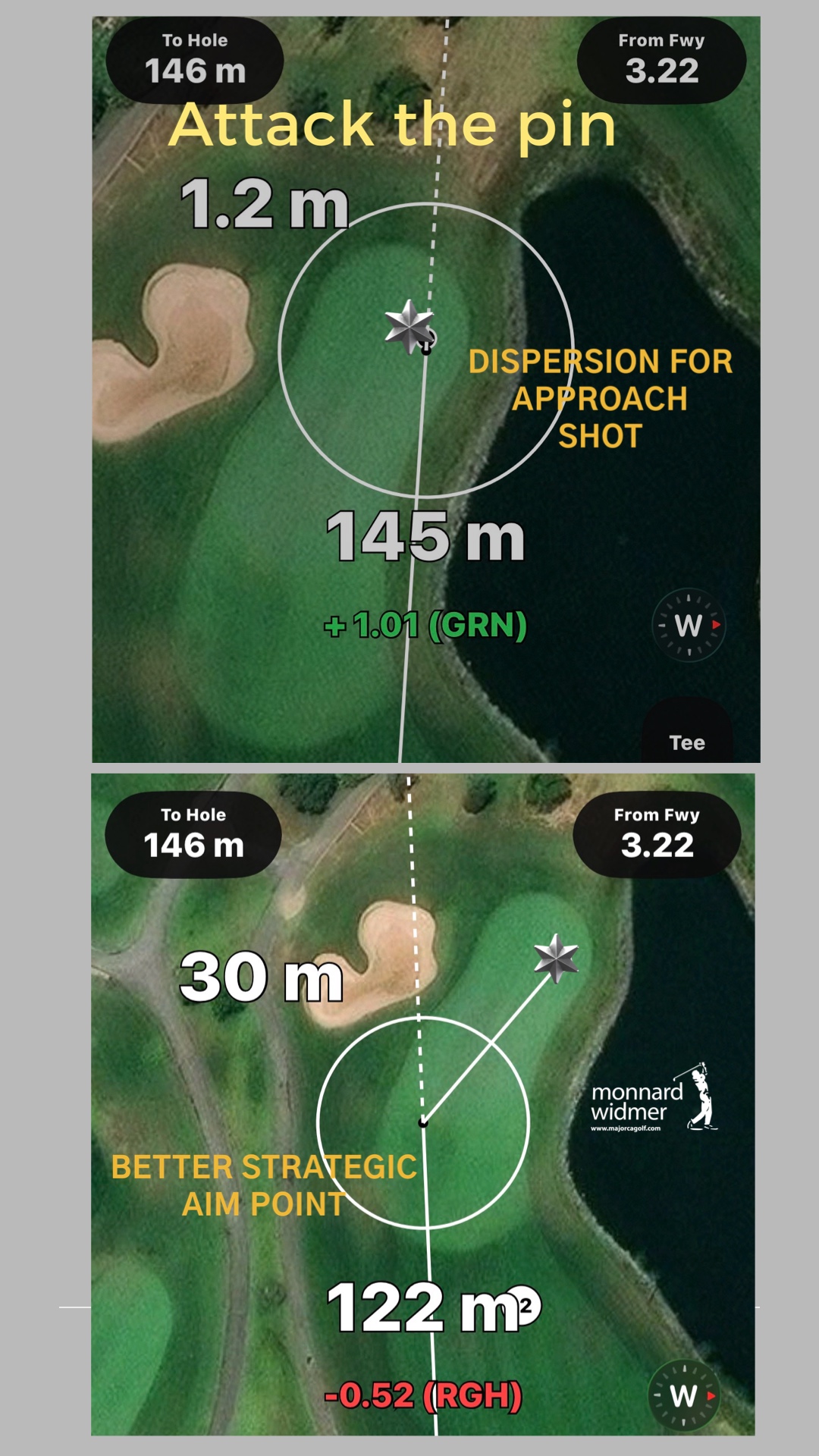
That is why target selection should not be based only on where the perfect ball should finish.
We should also know on which side a normal miss remains acceptable.
Our dispersion determines how much safety margin we need
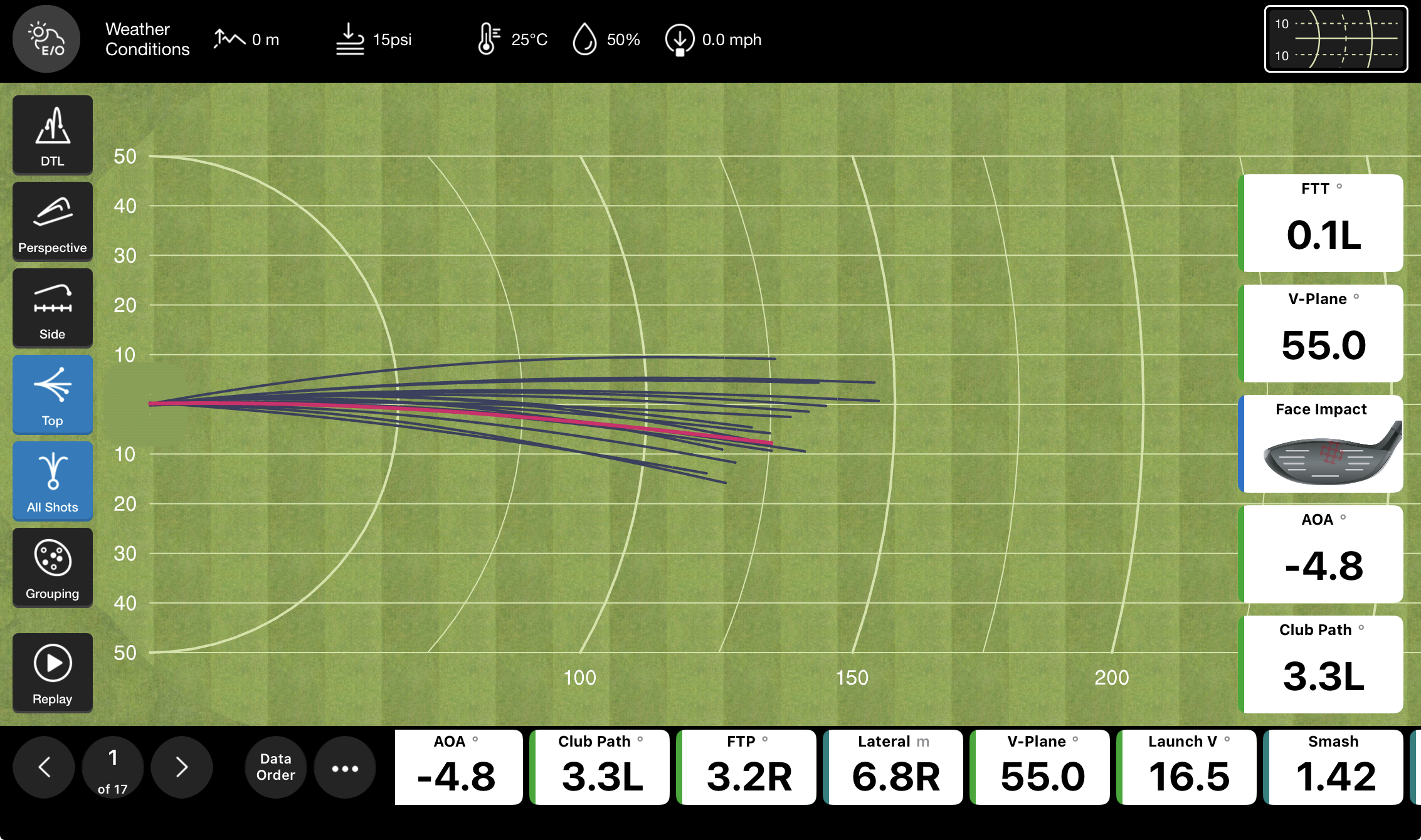
The same target zone can carry a very different level of risk for two golfers.
One player may have relatively small dispersion with an iron. Another may regularly lose several shots well to the right. The second golfer therefore needs more safety margin on that side.
This is exactly why target zones and dispersion belong directly in our assessment of risk.
We explain how these two factors change the planning of an individual shot in the article “How target zones and dispersion change golf shot planning”.
The greater our normal dispersion, the more space a situation needs if it is genuinely going to offer enough margin for error.
Safety margin is not a sign of fear
When we deliberately leave some distance from water, bunkers or other expensive areas, it can quickly be interpreted as cautious golf.
That misses the point.
A safety margin is not there to stop us taking opportunities. It is there to make sure that our normal dispersion does not lead straight into the most expensive part of the situation.
A good safety margin does not mean playing as far away from risk as possible. It means creating enough room for the most likely variations in our shots.
The possible reward also belongs in the decision
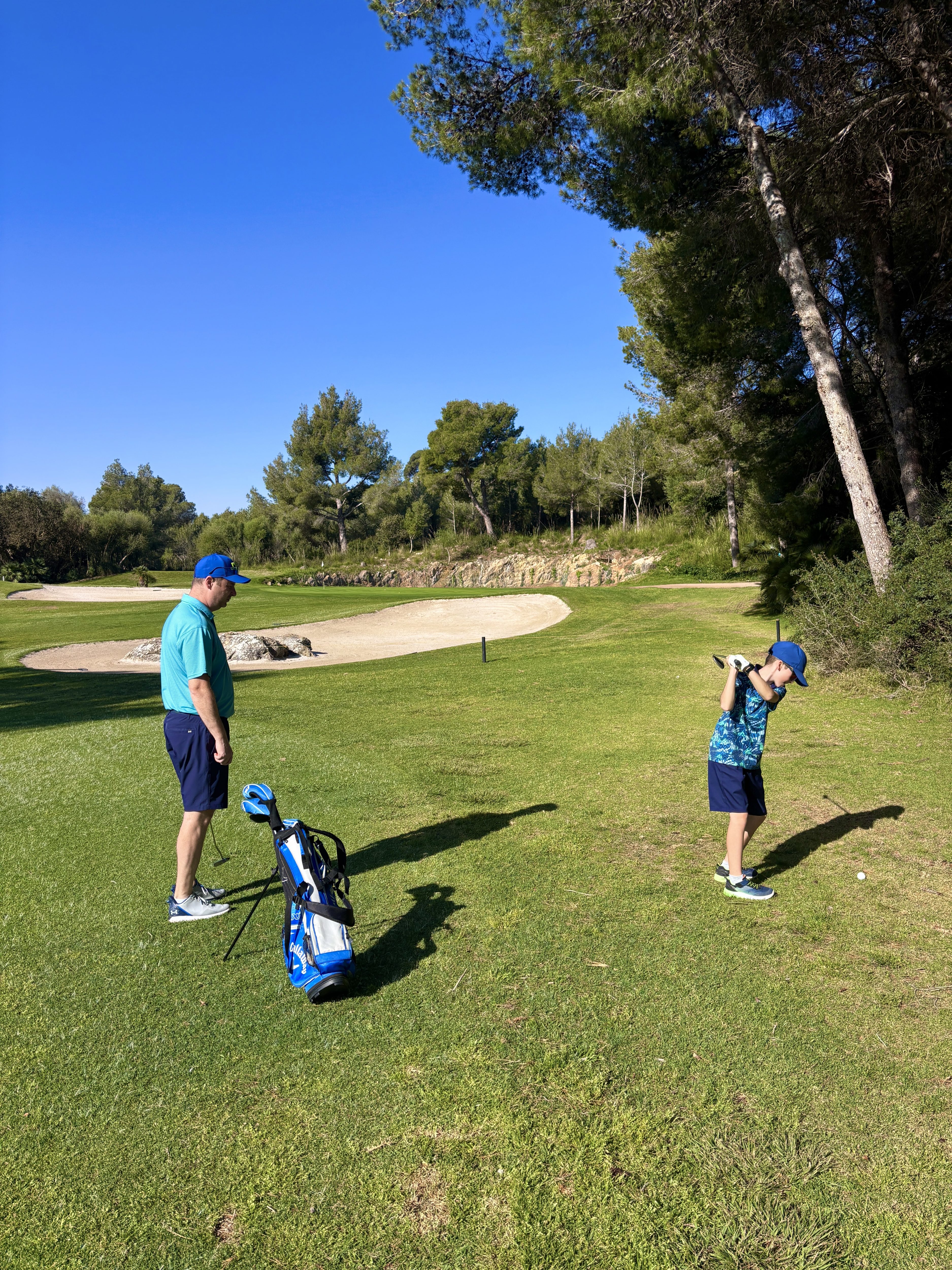
A more aggressive shot can, of course, make sense when the possible reward is large enough.
A longer shot may create a much easier next situation. The green may be reachable and offer enough room. Or a more aggressive line may shorten the hole considerably without a normal miss being punished immediately.
So the aim is not to avoid risk altogether.
The question is whether the additional reward is large enough to justify the smaller margin for error.
We look in more detail at when a possible solution becomes a genuine opportunity in the article “When is a golf shot really an opportunity?”.
The lie and ball flight change the margin for error
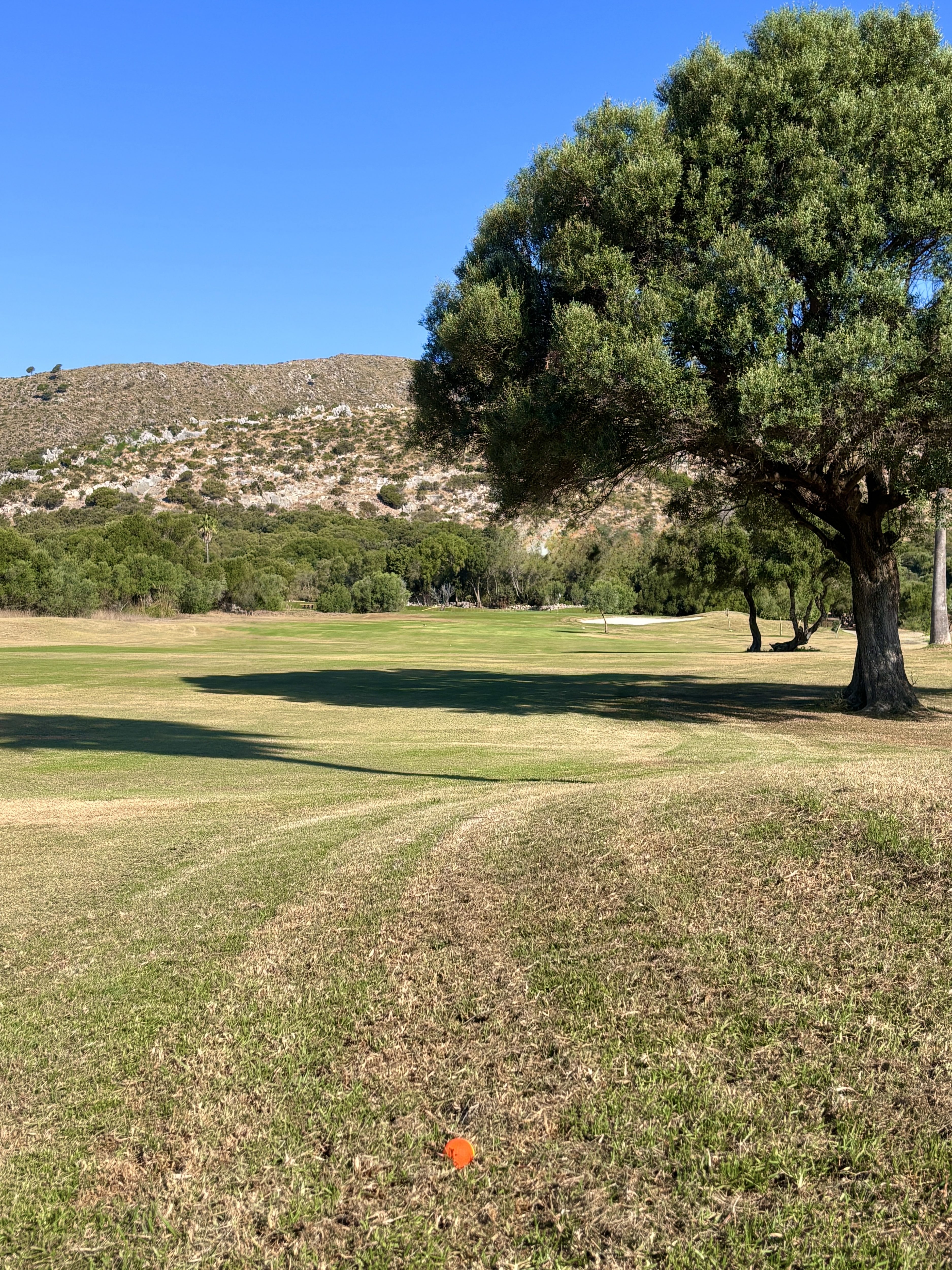
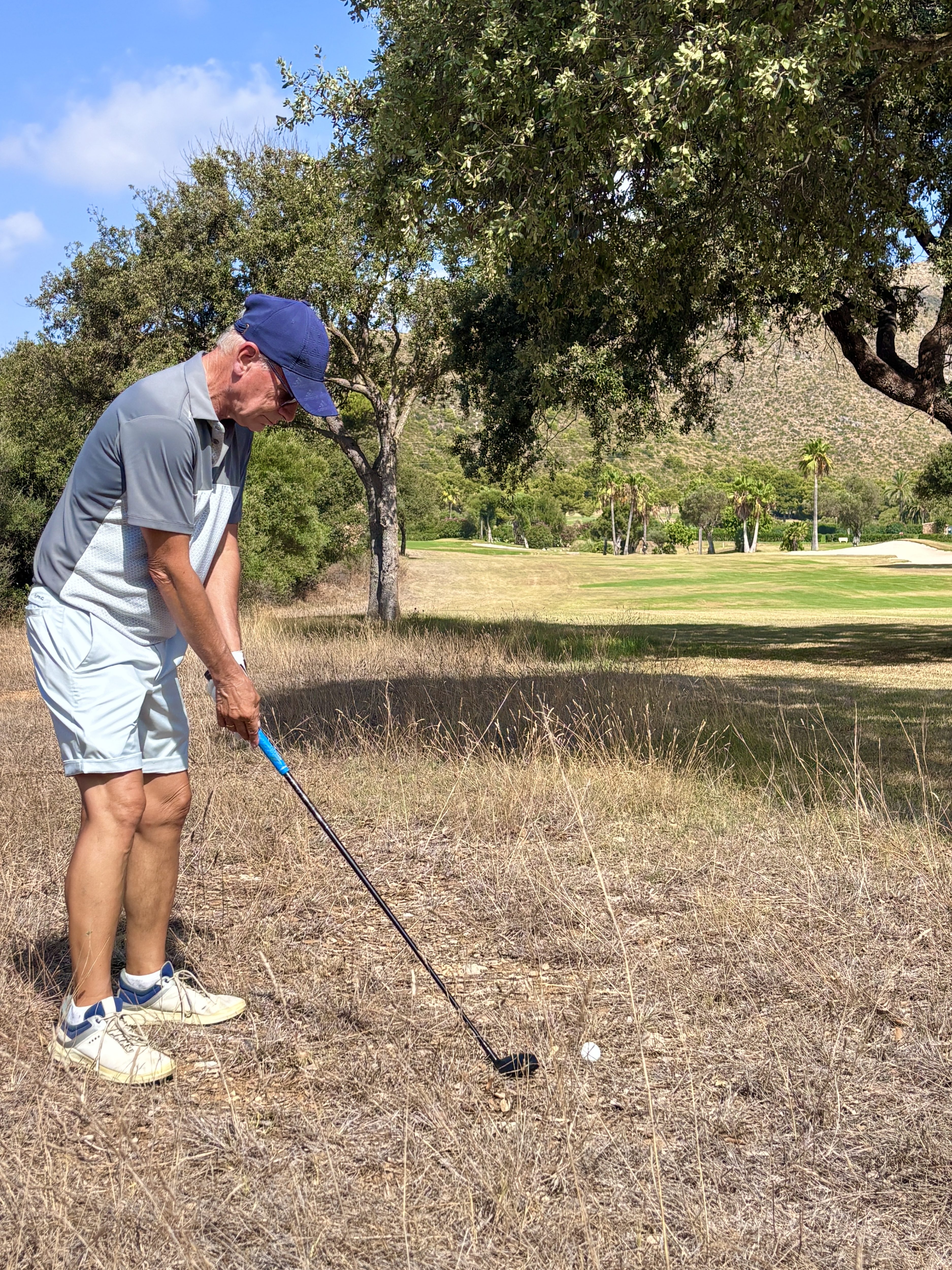
A situation can appear to offer plenty of room on paper and still be difficult if the lie or required ball flight does not fit.
From deep rough, distance control may become less predictable. On a sloping lie, direction may vary more. Under trees, a wide visible opening can quickly become a much smaller playable window once ball-flight height and carry are taken into account.
Margin for error should therefore not be considered only in two dimensions on the ground.
A situation only has a genuine margin for error when the lie, ball flight and possible variations all have enough room.
This is why, particularly with recovery shots, it helps to work with playable windows.
The big miss changes the entire calculation

Some shots have one possible miss that is significantly more expensive than all the others.
A ball slightly short may be harmless, while five metres long is out of bounds. A small pull may stay on the green, while a push finishes directly in the water.
These situations deserve more attention because a single mistake can quickly cost several additional shots and can become the start of a chain of mistakes.
The greater the possible damage from a miss, the more important it becomes to ask whether we have enough safety margin.
Why the best outcome should not be the only result we plan for is explained further in “Why the best possible result is not always the right target”.
Risk has to fit the golfer who is playing the shot

A strategically good decision is not the same for every player.
Distance, dispersion, ball flight, typical misses and how the golfer is playing that day all change the risk assessment. A shot that worked well yesterday may offer much less margin for error today if a particular miss has already appeared several times.
That does not mean we need to change our entire strategy after every poor shot. But repeated information should not be ignored.
Risk always belongs to both the situation and the golfer who has to play the shot.
Learning to make these risk decisions more consistently is also part of our Strategy Lab.
After the shot, do not ask only whether it worked
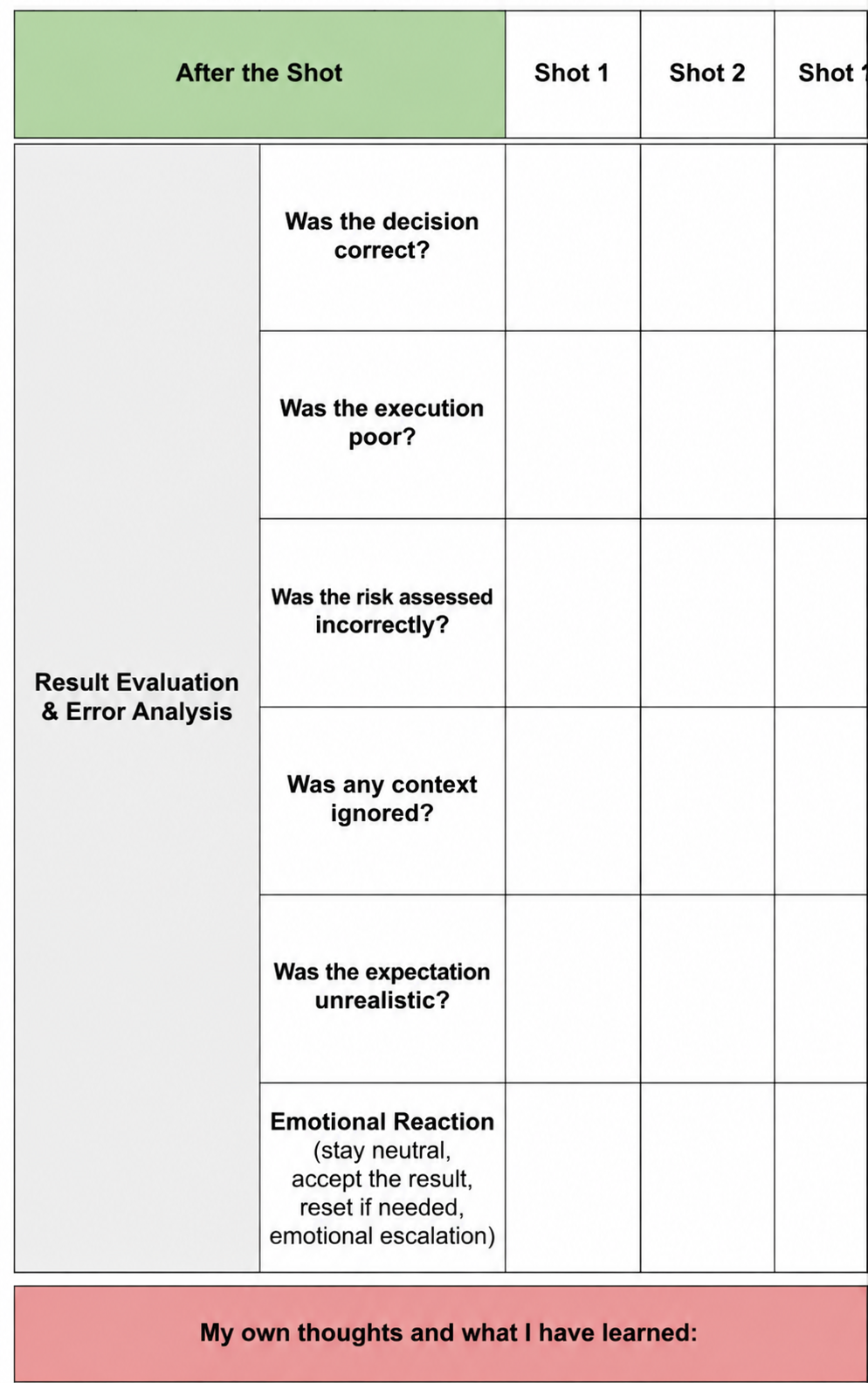
We can also learn a great deal about risk and margin for error after the shot has been played.
Did the chosen line leave enough room? Was the miss within our normal dispersion? Or did we choose a situation in which even a small deviation became too expensive?
A successful risky shot does not automatically prove that enough margin for error was available. In the same way, a sensible shot can still produce a poor result once.
We should therefore evaluate not only the result, but also how well the situation tolerated our normal misses.
We look more closely at how to judge the decision after the shot in “How to recognise a good golf decision after a bad result”.
We also look at why result and decision quality should be judged separately in the Golf Learning Insight “A good golf result cannot be forced”.
One simple question before a risky shot
Before a shot with very little room, one simple question can help:
How far can this shot deviate from my plan before it creates a genuinely expensive problem?
This question does not force us into a defensive solution. It simply makes the actual margin for error in the situation more visible.
How this connects to golf shot planning

Risk and margin for error are important parts of golf shot planning. We consider not only the possible reward of a shot, but also how much room there is for normal variation and what the consequences of a miss may be.
Dispersion, target zone, lie, safety margin and the possible next playing situation therefore work together to influence the decision.
A good decision does not try to avoid every risk. It makes sure that the risk being taken fits both the situation and the golfer’s own game.
Practising risk and margin for error in our advanced golf course
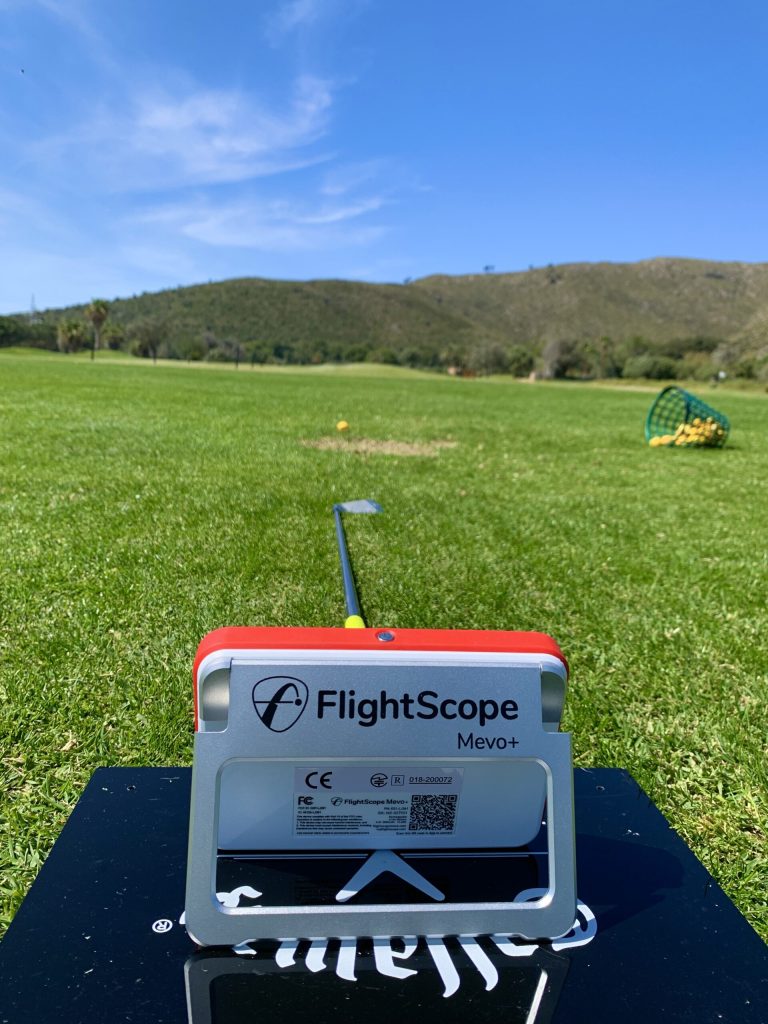
These are exactly the kinds of decisions we practise directly on the golf course in our advanced golf courses at Capdepera Golf. We compare different target zones, possible miss sides and the consequences of different shot options.
On the driving range, we can first make dispersion, carry distances and typical ball flights visible. On the golf course, we then assess how much safety margin a real situation needs for that particular golfer.
This does not create a general rule such as “always play safe” or “always attack”. Instead, the golfer learns to assess risk and margin for error according to the specific situation.
You can learn more about this form of golf instruction in our advanced golf course for handicap golfers in Mallorca.
[booking]
Golf shot planning – an overview of the topics
Risk in golf is not defined only by the presence of bunkers, water or trees. Good golf shot planning also considers how much variation a situation can tolerate, where the golfer’s normal misses tend to finish and how costly those misses may become.
The following articles show how risk and margin for error connect with the wider decision-making process: defining the task of the shot, recognising genuine opportunities, choosing realistic targets, understanding dispersion, evaluating playable windows and learning from the outcome.
Golf shot planning
The main overview explains how golfers combine situation analysis, target selection, dispersion, expected outcomes and risk before choosing a shot.
What is the task of a golf shot?
The acceptable level of risk depends partly on what the shot actually needs to achieve. A recovery shot and a genuine attacking opportunity require very different margins for error.
When is a golf shot really an opportunity?
An option becomes a genuine opportunity only when the possible reward is supported by enough space and tolerance for the golfer’s normal variation.
Why the best possible result is not always the right target
Risk increases when a target is chosen mainly for its best possible result while the normal or poor outcomes carry much greater consequences.
Why the next shot belongs in the current decision
The real cost of a miss also includes the position it creates next. A small error that leaves a difficult recovery can be more important than the immediate loss of distance.
How target zones and dispersion change golf shot planning
Dispersion helps golfers see whether a target zone provides enough room for normal misses and whether one side of the shot pattern carries significantly greater risk.
How golfers can assess risk and margin for error more effectively
The current article explains how golfers can evaluate available space, normal variation and the consequences of different misses instead of judging risk only by the visible hazard.
How playable windows influence golf shot planning
A visible route is only useful when it provides enough vertical and lateral margin for the intended ball flight and the golfer’s normal dispersion.
How to recognise a good golf decision even after a bad result
A well-assessed risk can still produce a poor result. Decision quality should therefore be judged by the information and margin available before the shot, not only by where the ball finished.


