
In golf training, we regularly encounter different approaches to solving swing problems.
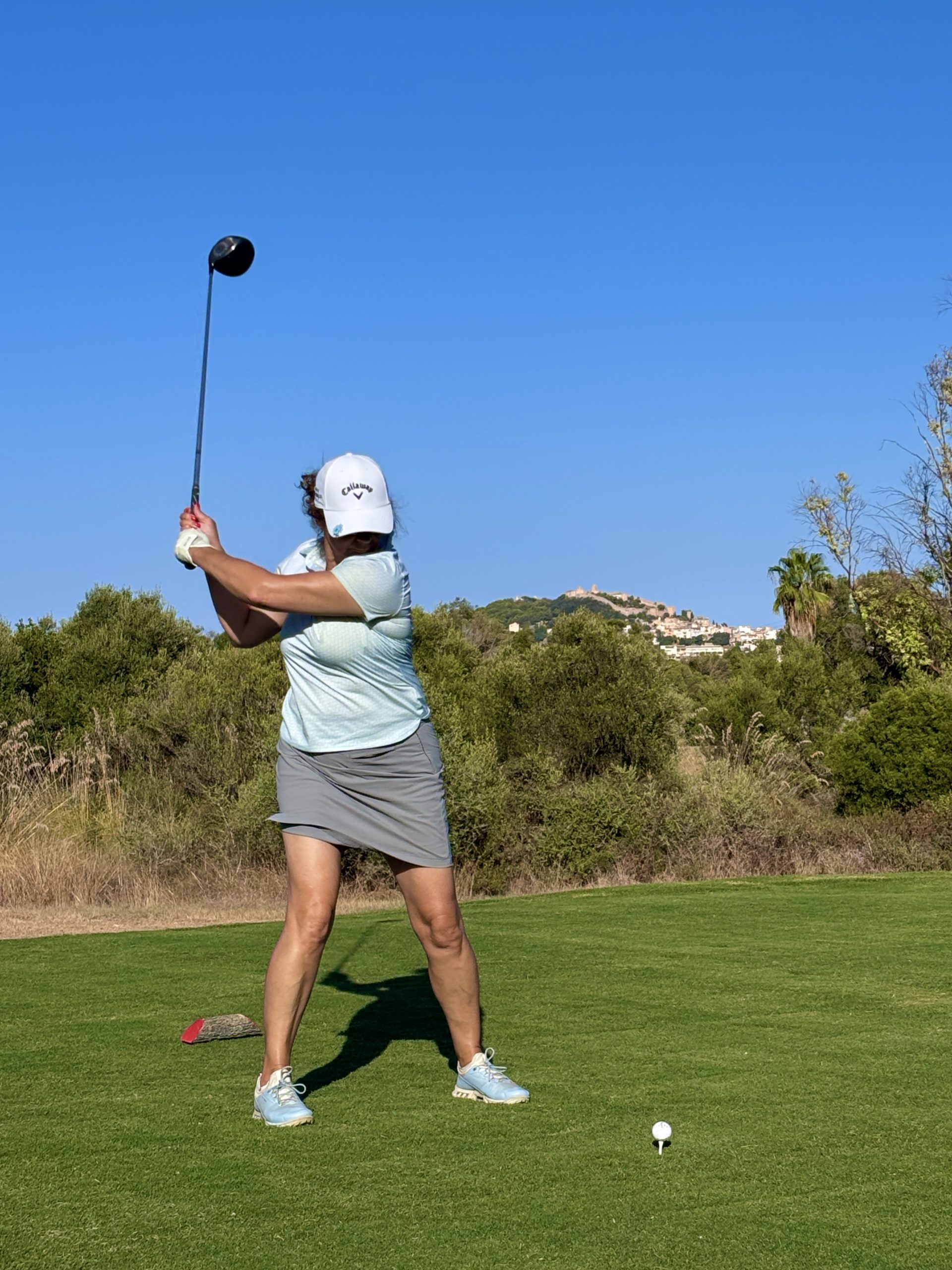
On the one hand, there is classic position-based training with clearly defined target positions.
On the other hand, there is the idea of freer movement, where the golfer swings in a way that suits their body, and we only intervene where ball flight and results need to be influenced.
Then there are two further situations: building a swing for beginners, and rebuilding parts of a swing for golfers who have lost trust in their movement or no longer know what they can rely on.
All four approaches can be useful. What matters is not which model we follow in principle, but when each approach makes sense. We make this decision individually, depending on the golfer, their level of development, their goals and their physical characteristics.
Just as importantly, not every observation requires an immediate correction. Sometimes the next useful step is a technical change. In other situations, the golfer may need more repetition, a different task, a simpler challenge or simply more time with a solution that is already beginning to work. Good coaching also means recognising when to change something and when to allow learning to continue without adding another instruction.
This individual decision-making is part of our Golf Learning System. Technical change is not treated as an isolated objective, but as one part of a wider learning process that also includes coordination, practice, testing, stabilisation, transfer and decision making on the golf course.
Four solution spaces in golf training
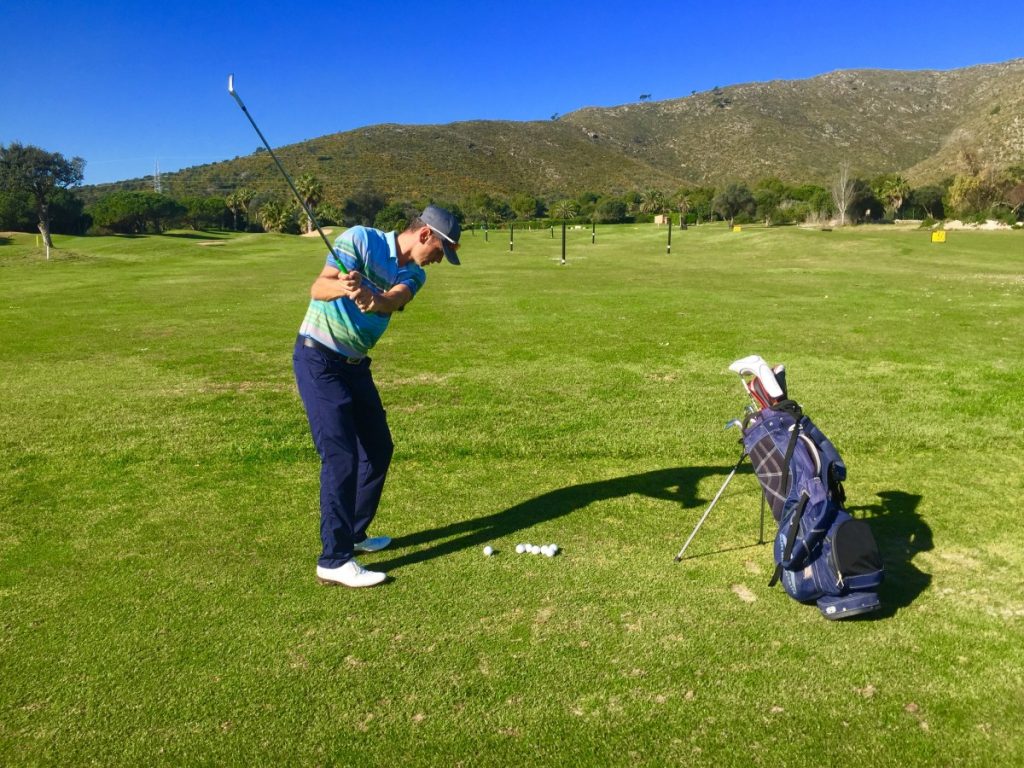
1. Position-based training
In certain situations, working with clear positions is helpful. Especially when a player needs orientation or does not yet understand fundamental relationships. Positions are not an end in themselves, but a tool to create structure.
2. Freer movement
Many golfers develop very individual movements over time. Some of these look unconventional, but work surprisingly well. In such cases, we avoid unnecessary intervention and only change what actually affects ball flight and results.
3. Building a swing
Especially with beginners, an established movement pattern does not yet exist. Here, we deliberately help build the swing over several days. Not to copy an ideal model, but to create an understandable functional structure that can then be practised, coordinated and developed further.
4. Rebuilding confidence and structure
Some golfers arrive with a swing that has become overloaded with thoughts, corrections and conflicting ideas. They may have lost trust in movements that once worked, or reached a point where they are no longer sure what they can rely on. In these cases, the task is not simply to add another technical correction. We first help the golfer regain orientation, simplify the movement where necessary and rebuild a structure they can understand and trust again.
A major part of both building and rebuilding is creating control. By control, we mean the interaction of individual movement components that together create an effect.
Control does not mean restriction
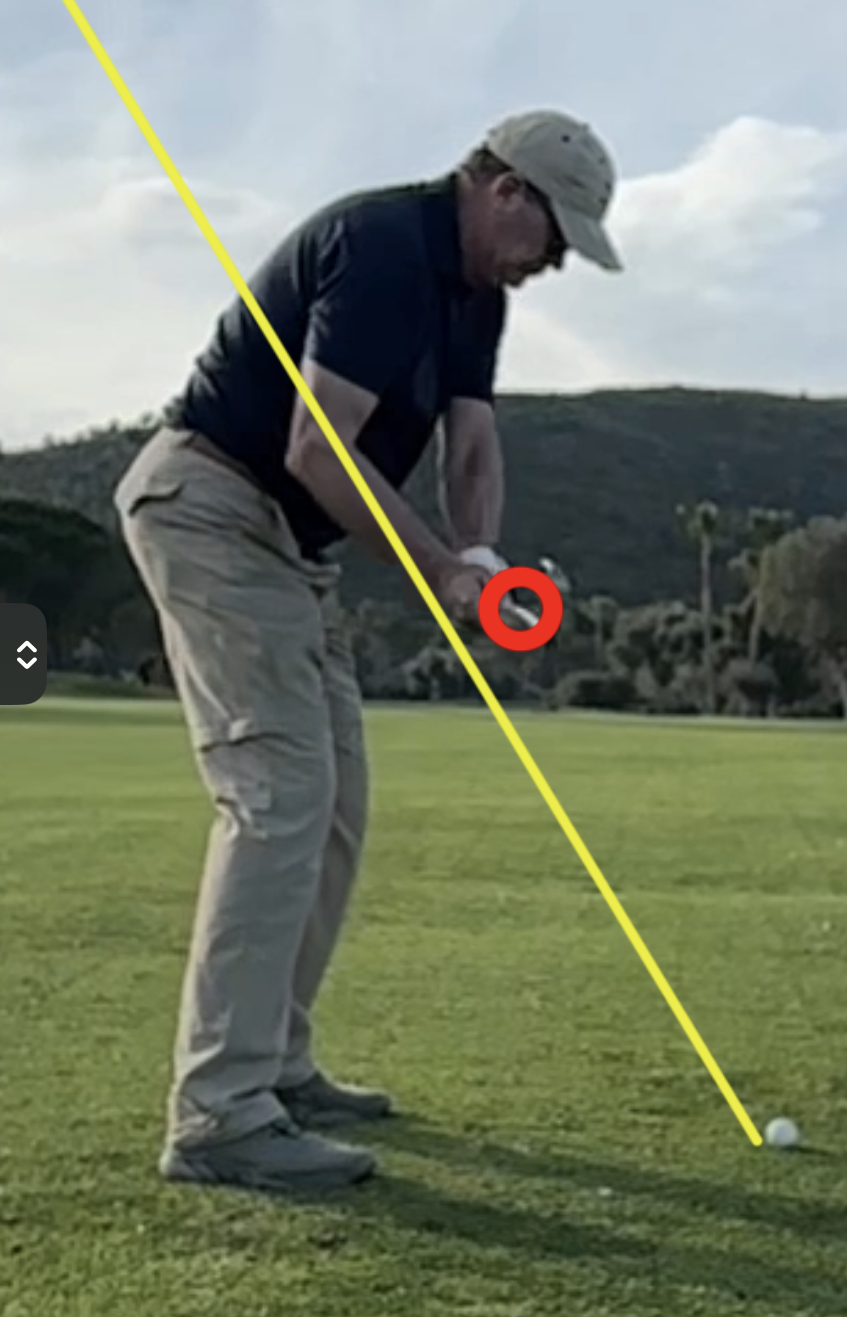
Control in golf does not mean blocking movement or gripping the club tightly. In a freely swinging motion, control emerges through specific elements and movement contents, not through restriction.
Especially for higher handicaps, this is a central focus: creating control without limiting movement. This control does not happen by chance, but through the targeted development of movement elements that advanced golfers use to regulate their own motion.
Developing a higher level of Golf IQ also means learning to recognise these movement building blocks, even when they are not immediately obvious within the golfer’s existing movement feel.
During development, we deliberately give the golfer time. Individual movement parts are first practiced in isolation, accompanied by calm guidance, and only then gradually integrated into the full motion. This is how control, understanding, and trust in one’s own movement develop.
Together, these create a foundation from which the golfer can continue to develop the movement.
A functional swing is not always a beautiful swing
Many golfers have movements that look unusual or even “wild” on video. And yet they strike the ball cleanly and, up to a certain point, repeatably, always in line with their playing level.
A golf swing does not need to look perfect to be functional. At the same time, this does not mean that every movement is sustainable in the long term or able to withstand the physical demands of regular training.
This is where the real work of training begins.
Function before form
What matters is not how a movement looks, but:
- whether it remains functional as the demands increase
- whether it remains physically sustainable over time
- whether it gives the player control over the result
- and whether it does not create unnecessary injury risk
This point is especially important for advanced golfers. Anyone who trains regularly and intensively inevitably increases the load on certain structures. If a movement places too much stress on specific areas over time, the risk of breakdown becomes too high.
That is why we try to identify such risks early. Not to restrict golfers, but to keep them playable. In some cases, we adjust movements for exactly this reason. Not because they look wrong, but because they would be too costly in the long run.
Understanding creates patience
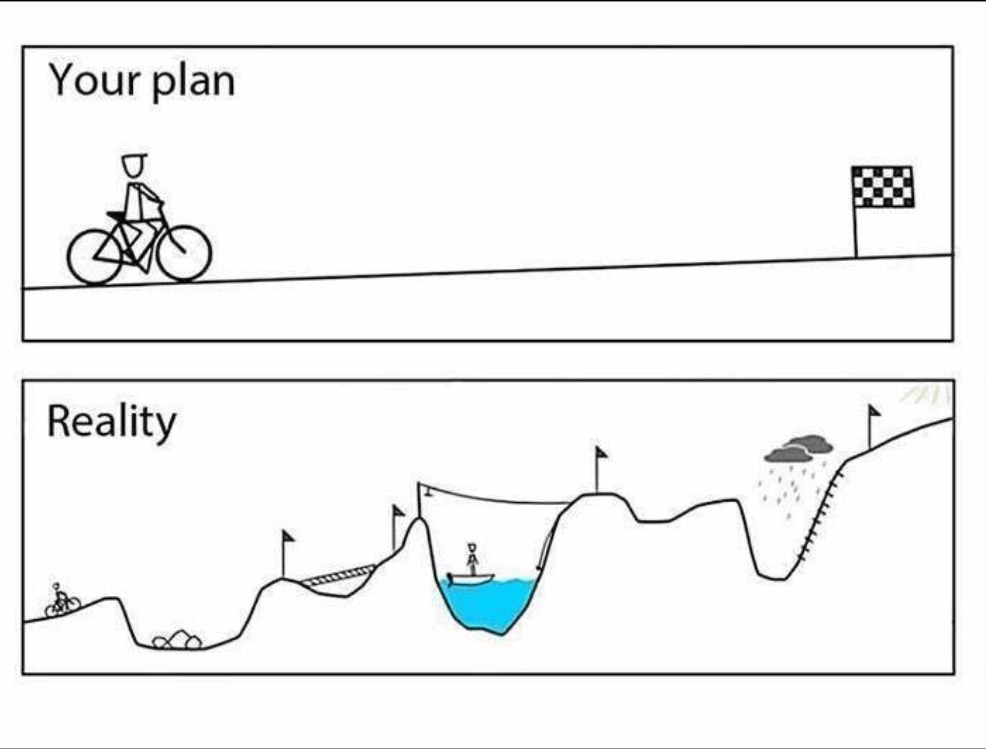
The better a golfer understands what happens in the body and the movement, the more patience they develop for the learning process.
Golf IQ does not mean knowing more technique. Golf IQ means understanding why something works, or why it does not work at the moment. This understanding helps maintain internal motivation, endure the necessary learning process, and reach the next stage of development without giving up too early.
Sustainable change requires respect for the body
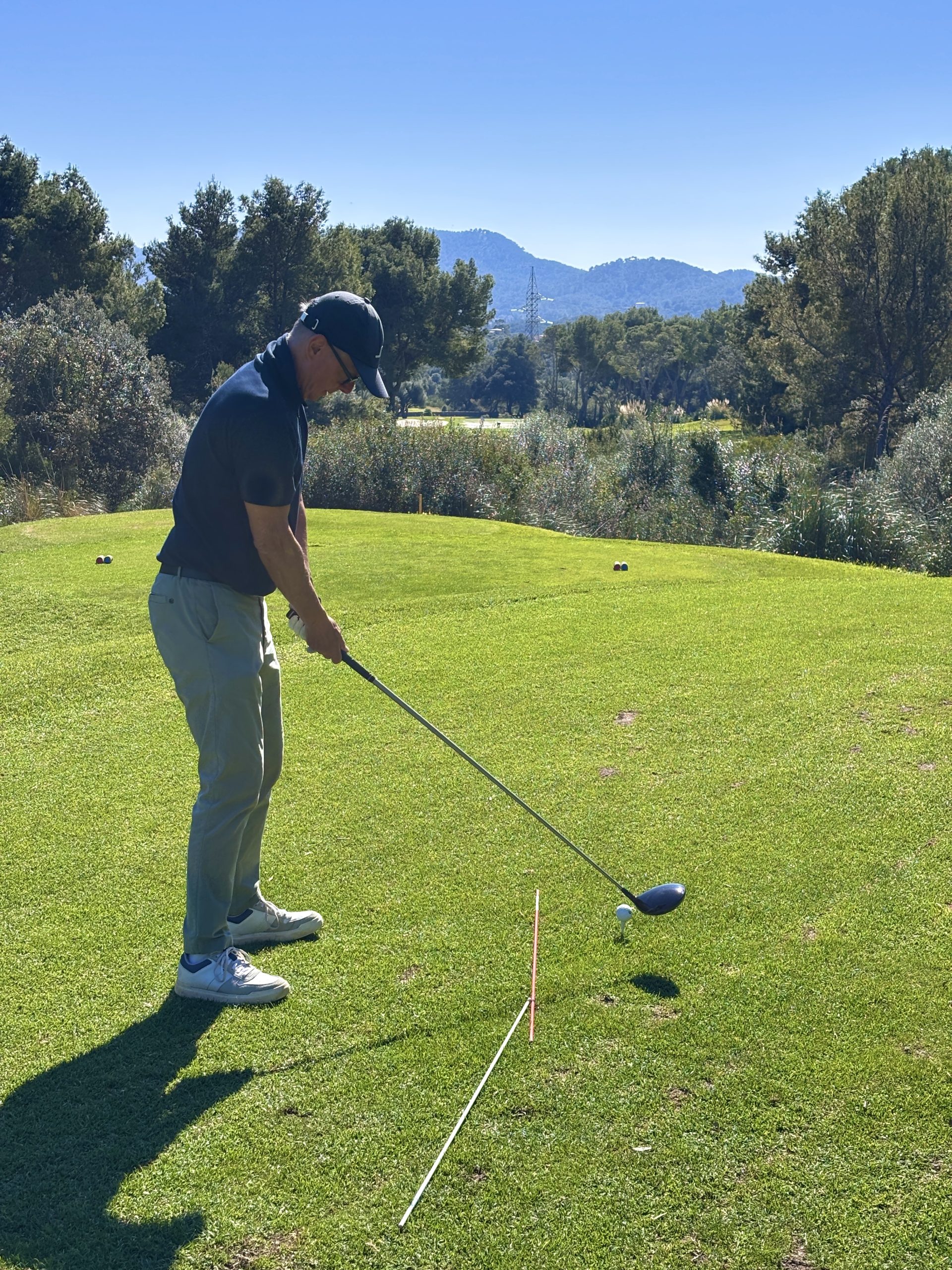
Short-term changes can often be produced relatively quickly in golf.
These quick improvements can be useful, but they do not automatically show that a new movement has been learned or will remain available over time. Building a more durable solution requires practice, coordination, feedback and repeated adjustment.
A technical change is therefore only the beginning. The next questions are whether the golfer can coordinate the new solution, repeat it, retain it and still use it when the task or conditions change. This is where technical work connects with the Practice Lab, where developing solutions are practised, tested, adjusted and progressively stabilised. Transfer to the golf course can begin alongside this process, helping us see what is already available under real conditions and what still needs further development.
Sustainable change is therefore not easy. Too many factors are involved at the same time. Most amateur golfers train irregularly, often with little structure, and cannot or do not want to commit permanently to a clear training plan. This is not criticism, it is reality.
In this context, we often hear statements like: “I watch YouTube videos and end up more confused than before.” The problem is rarely the video itself, but the expectation that there is a single decisive tip, a kind of holy grail that solves everything.
In practice, improvement does not come from one impulse, but from the consistent linking of detailed work. A key part of our job is therefore to help golfers adopt this perspective. Not to forbid YouTube, but to help them categorize content, set priorities, and integrate what they see meaningfully into their own learning process.
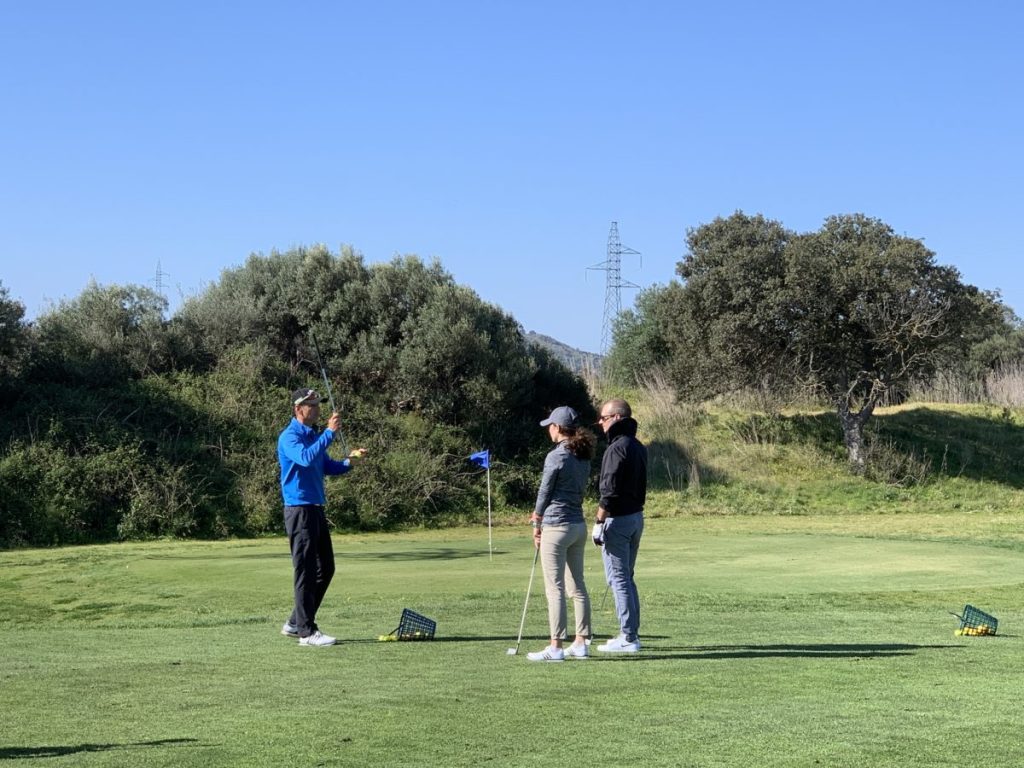
Training under real playing conditions
During the course week, we work under conditions that reflect real play, including tempo, fatigue, and decision-making pressure.
During the course week, we work deliberately to integrate these elements step by step and make them tangible in training. At the same time, we know from experience that not every change takes effect immediately or feels stable right away. Learning is not linear.
That is why we always coordinate adjustments together with the golfer. We discuss which changes have priority, in what order they make sense, and where our attention as coaches is particularly required. Other, simpler points can deliberately be addressed later or further monitored by the player themselves.
Because in the end, it is not the video that decides, but the game.
This is why our technical coaching does not end when a movement looks better. Within the Golf Learning System, a technical change continues through coordination, practice, testing, stabilisation and transfer. What happens under changing tasks and on the golf course helps us decide whether the solution needs more repetition, further adjustment, a simpler challenge or simply more time.
Based on these principles, PGA golf professional Michel Monnard and PGA golf professional Tobias Widmer apply this approach in their daily coaching with golfers at Capdepera Golf.
[booking]


